
Where is Your Child at with Their Learning?
It’s one of those questions that seems simple enough at first. But the more you think about it, the trickier it becomes. Where is your child at with their learning? Are they struggling in reading or maths? Or perhaps they’re excelling in some areas but feeling stuck in others? It’s not always clear, is it? Sometimes it feels like you’re trying to solve a puzzle where half the pieces are missing.
Understanding where your child is at with their learning is an important step when wanting to support their learning — but it’s not always straightforward. Let’s take a look at some practical ways to get a clearer picture.
Start with a Chat with Their Teacher
We all know parent-teacher interviews are the standard way to check in on how your child is doing. But let’s face it—those brief meetings can sometimes feel rushed, and you might leave with more questions than answers.
If you want a deeper understanding, try reaching out to the teacher directly. Don’t wait for the next parent-teacher evening. A longer, more detailed conversation can help you get a better sense of how your child is engaging in the classroom. Ask for examples of their work. What’s really going on day-to-day? Even if your child is getting As at school, they still need guidance on where to next! Don’t hesitate to ask what you can do at home to help reinforce learning or support any areas where your child might need extra help or extension.
Dive into the Australian Curriculum Website
Next, let’s look at a resource that might sound a 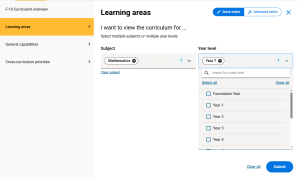 little dry at first but is actually really helpful: the Australian Curriculum website. It sets out the map of what is covered in all subjects year by year. There are even work samples for each year level and subject, showing what students should be achieving by the end of the year. It can take a bit of time to navigate, but once you get the hang of it, you’ll find some really useful examples to compare your child’s work against.
What topics are covered:
Where to get work samples: https://v9.australiancurriculum.edu.au/resources/work-samples
Take some time to sit down with your child and look at these samples. It’s a great way to get them thinking about where they see themselves in relation to the examples. Are they ahead? On track? Or do they need more support? Remember that the samples are typically from the end of the year, so if your child has just started Year 8, look at the Year 7 examples for a more accurate comparison.
Use the Tools That Help Build a Picture of Their Strengths
If you’re looking for more concrete ways to assess your child’s strengths, there are a couple of resources that we’ve used that can help. Don’t worry – we have no affiliation with the companies that make these tools at all.
First, there are ACER’s International Benchmark Tests. These tests provide a snapshot of your child’s knowledge in English and Maths. They’re a good way to see where they’re doing well and where they might need more focus.
Second, IXL offers a diagnostic tool that’s worth checking out. It breaks down every skill in the Australian Curriculum for English and Maths, organized by year level. This can be an incredibly helpful way to pinpoint specific areas of strength and weakness.
NAPLAN: A Deeper Dive into Their Strengths and Weaknesses
All students in Australia sit NAPLAN in grades 3, 5, 7 and 9. Their individual student reports are a trove of information about their reading, numeracy, spelling and language conventions. While it might seem like a lot of information at first, if you take the time to dig into it, there’s a lot that’s actionable. You can see which questions your child answered correctly and where they struggled. This can guide you in focusing on areas that need extra attention, like tricky spelling rules or challenging topics in Maths. It’s all about finding those gaps and using the data to target specific skills.
Take a Moment to Talk About Their Attitude Towards Learning
But here’s something that often gets overlooked: your child’s attitude towards learning. It’s not just about the grades or scores—it’s about how they feel about learning in general.
Is your child excited about school? Do they feel challenged? Or are they disengaged? Have they developed a growth mindset? The way your child approaches learning, failure, and persistence can make all the difference. Consider watching short youtube videos with them about having a growth mindset or talking about how embracing failure can change the way they tackle challenges (FAIL stands for First Attempt In Learning!).
Look Beyond the Numbers: Understanding the Whole Picture
Learning isn’t just about reading and maths—though it’s easy to focus on those subjects. Sometimes, your child’s struggles are linked to other factors: social challenges, personal difficulties, or issues outside of school. Are they feeling stressed? Is there something going on that might be affecting their focus or confidence? The more you dig into these underlying factors, the clearer the full picture becomes.
Learning is personal. It’s messy. It’s never as clear-cut as we want it to be. But by staying curious, asking the right questions, and being patient with the process, we think everyone can not only learn vast amounts of knowledge and hone mastery level skills, but even enjoy the process.
Student2Student is here to help with personalised support and coaching. If you ever need a little help, don’t hesitate to reach out — we love helping kids have those aha moments.